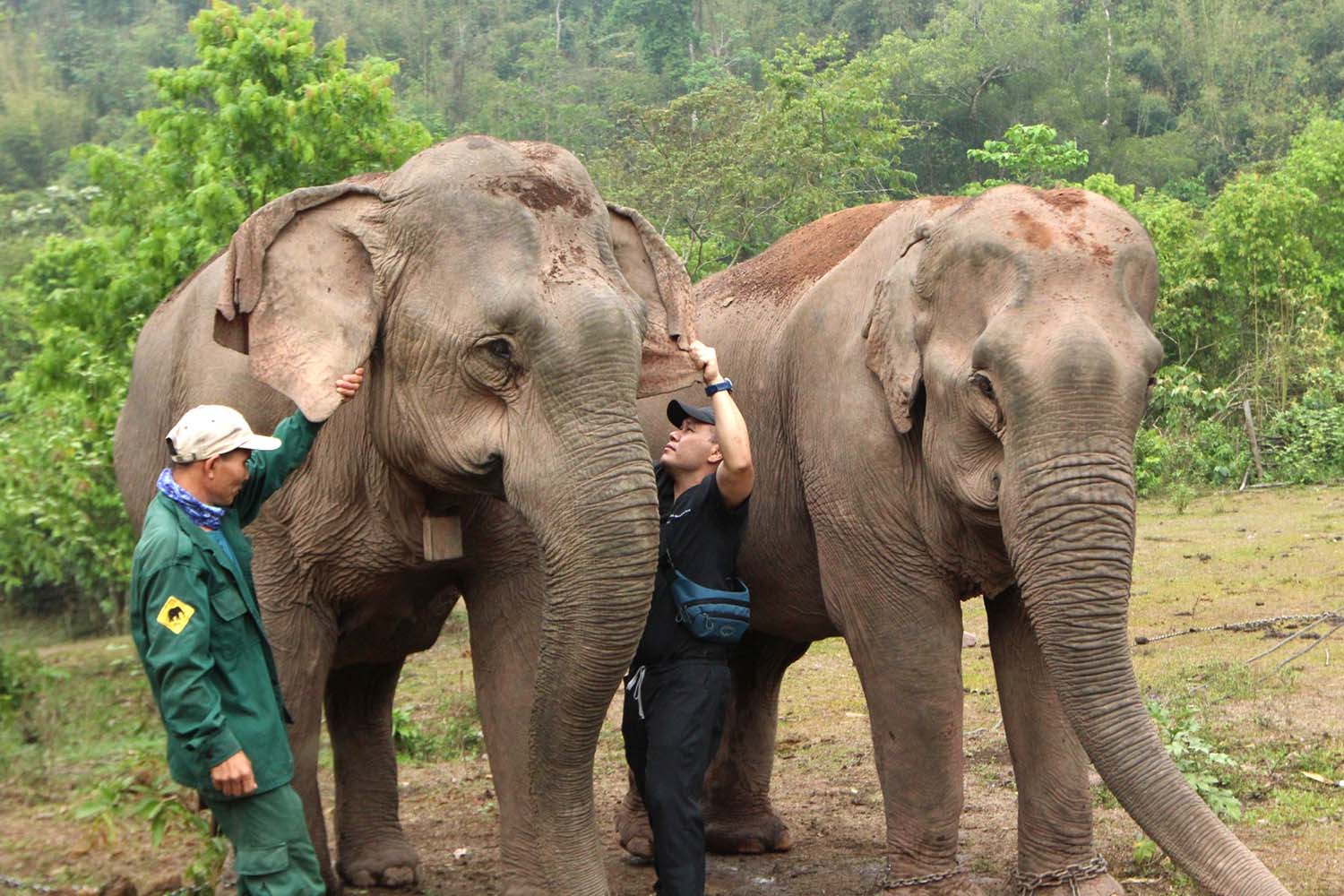
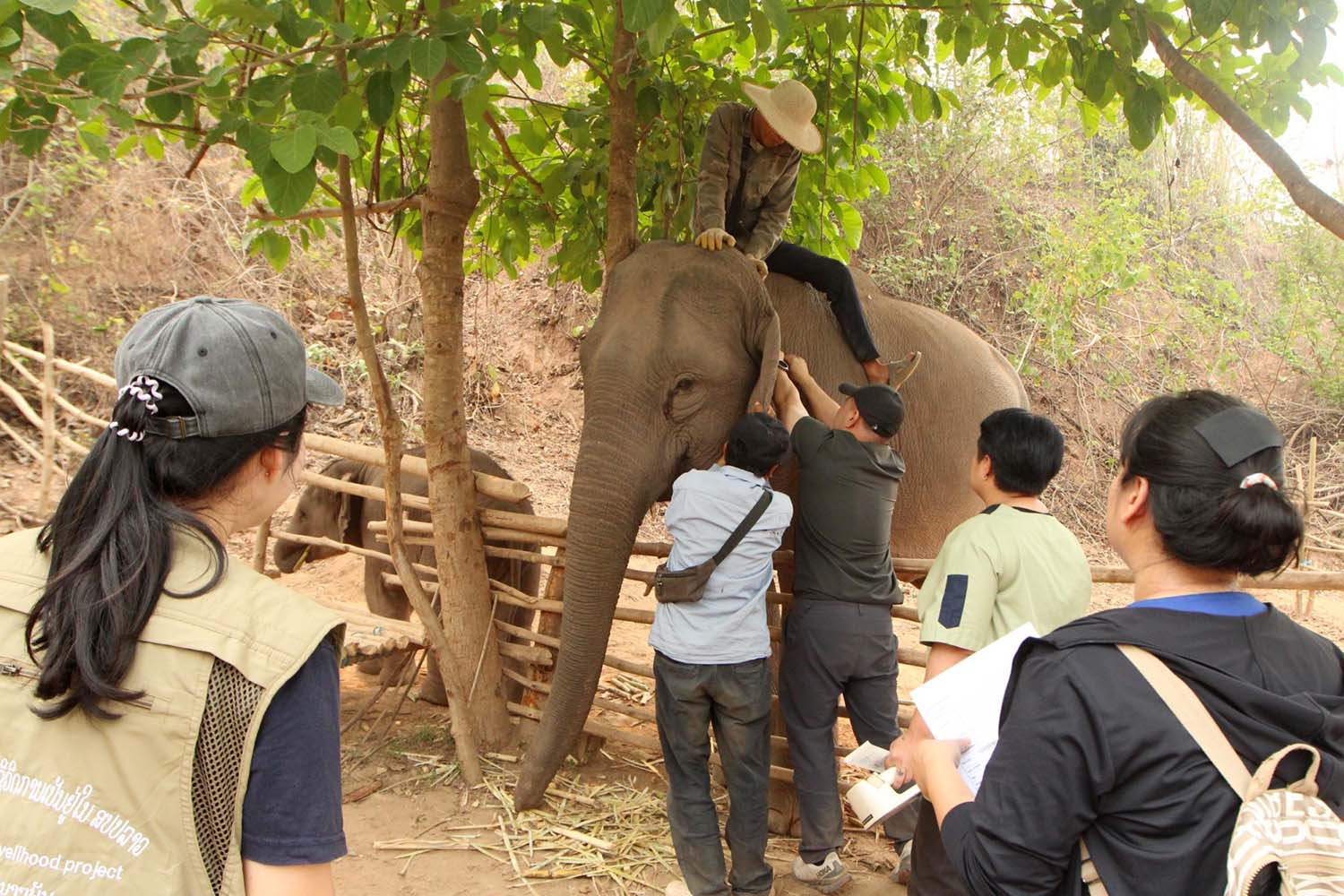
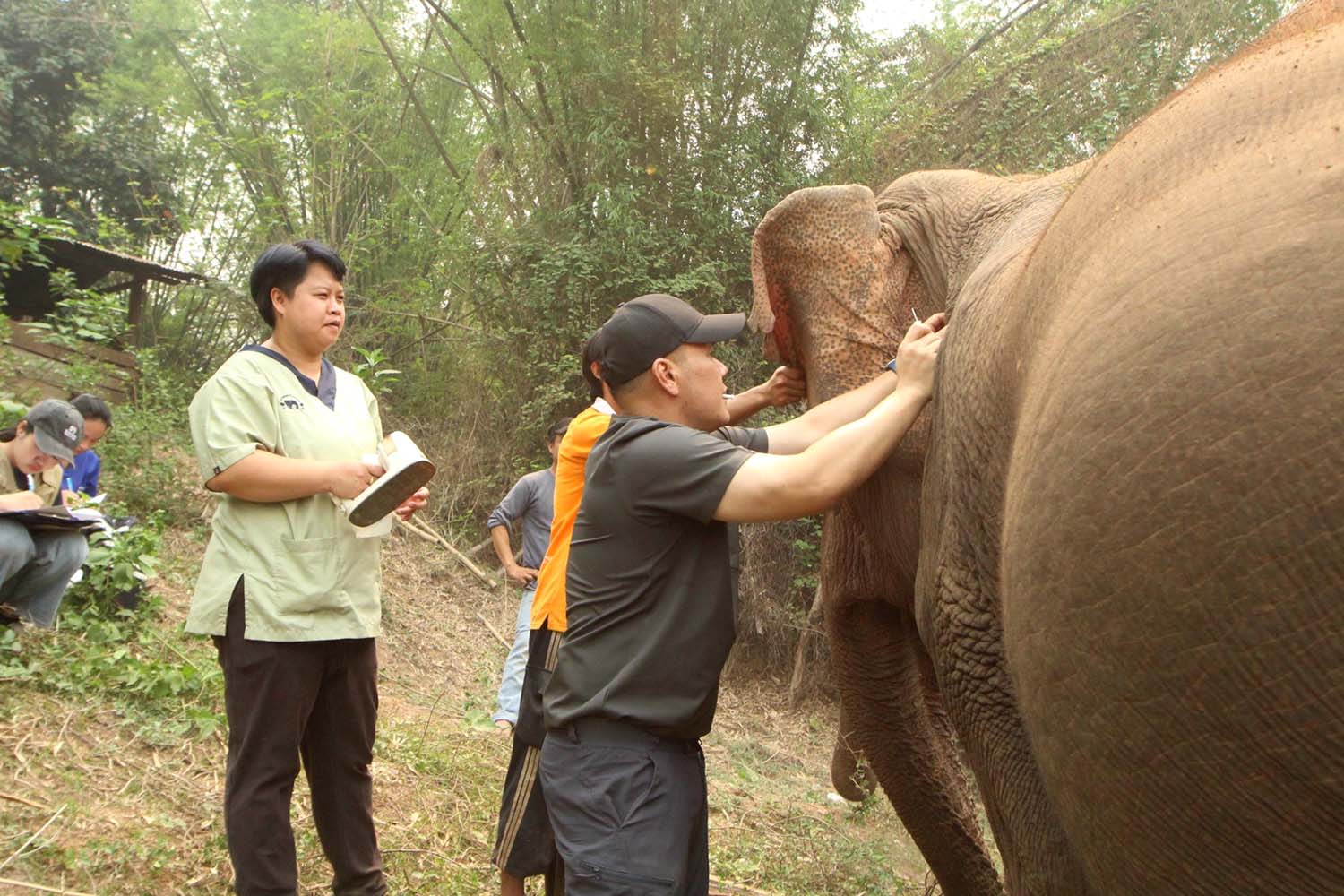
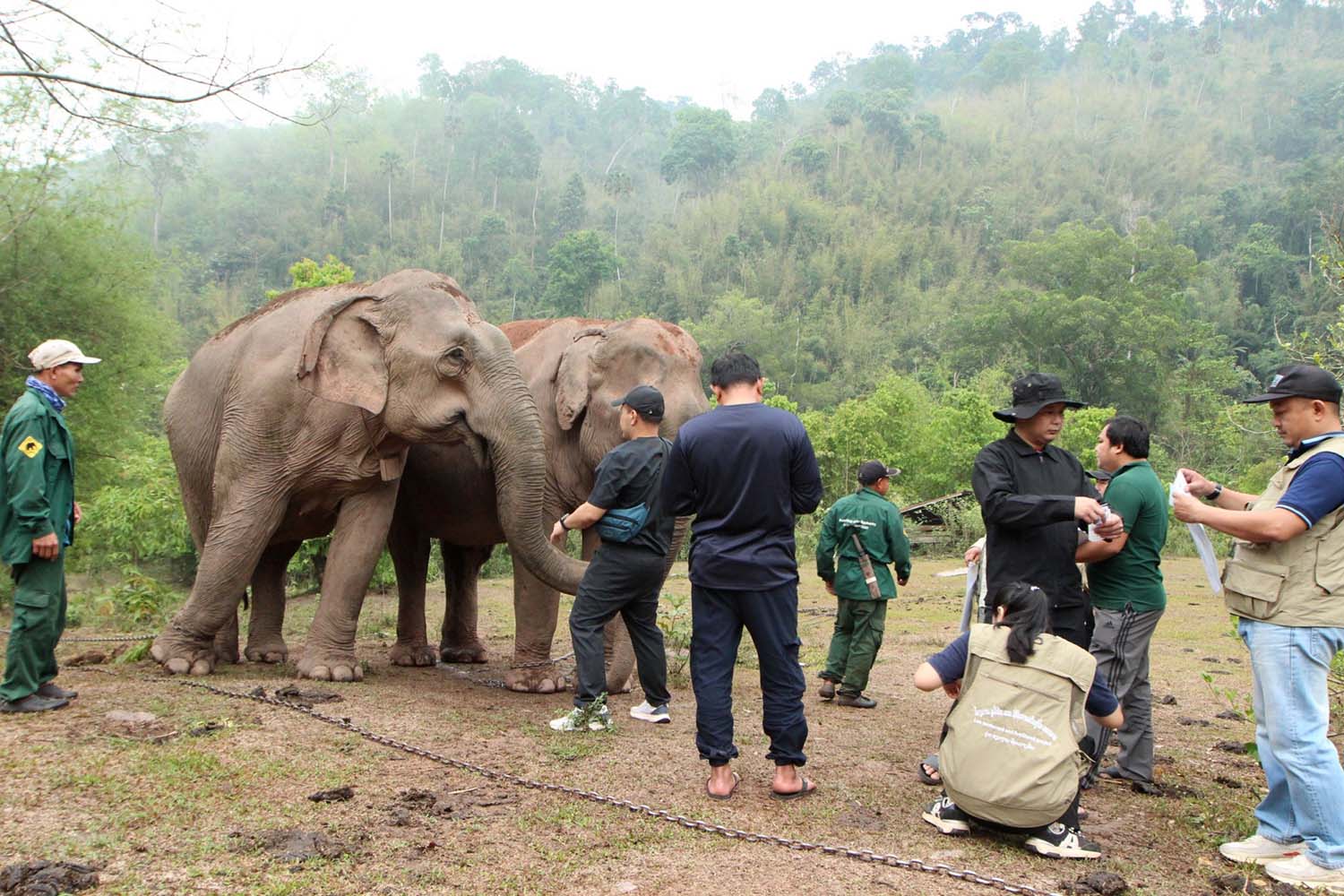
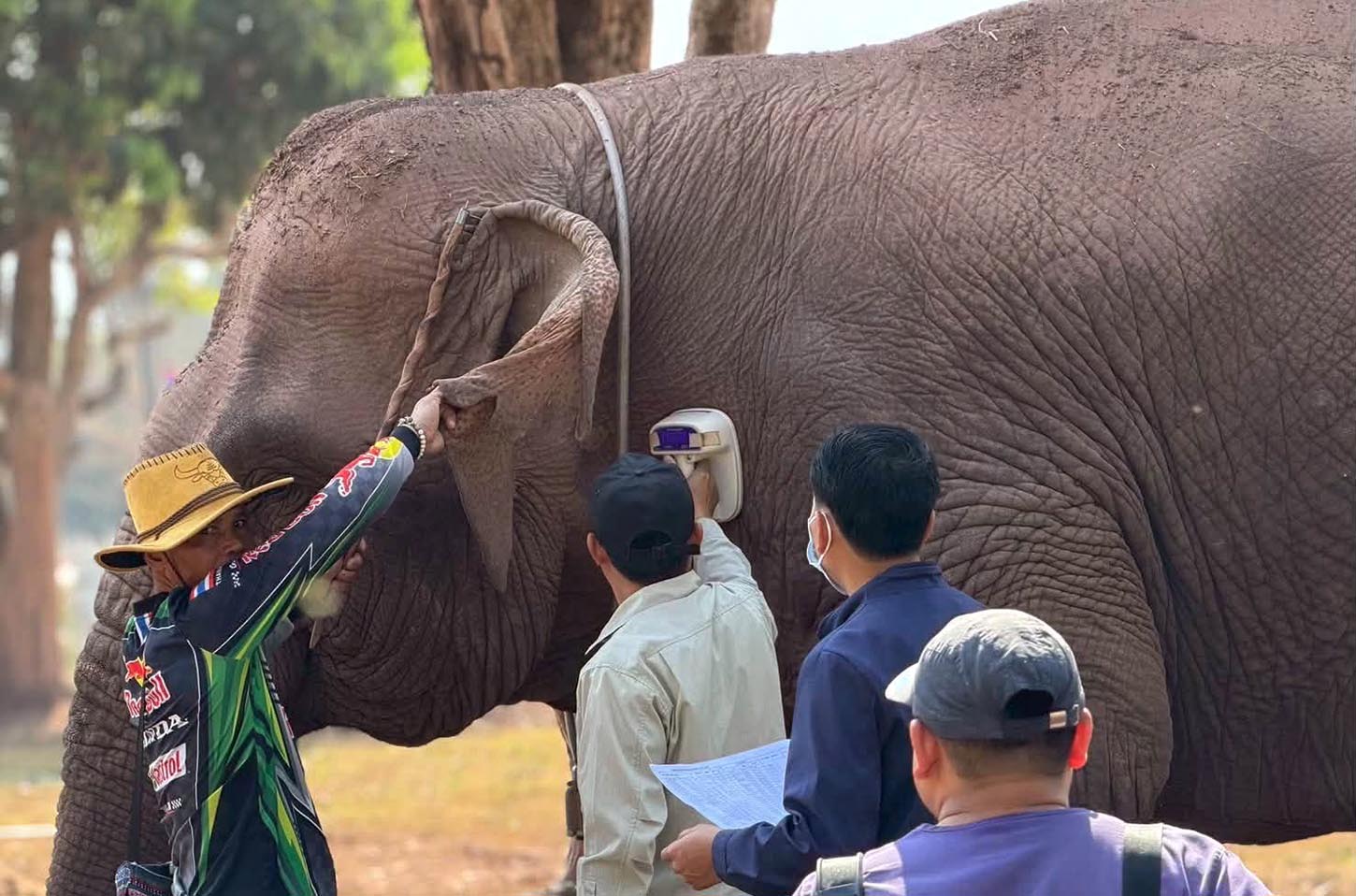
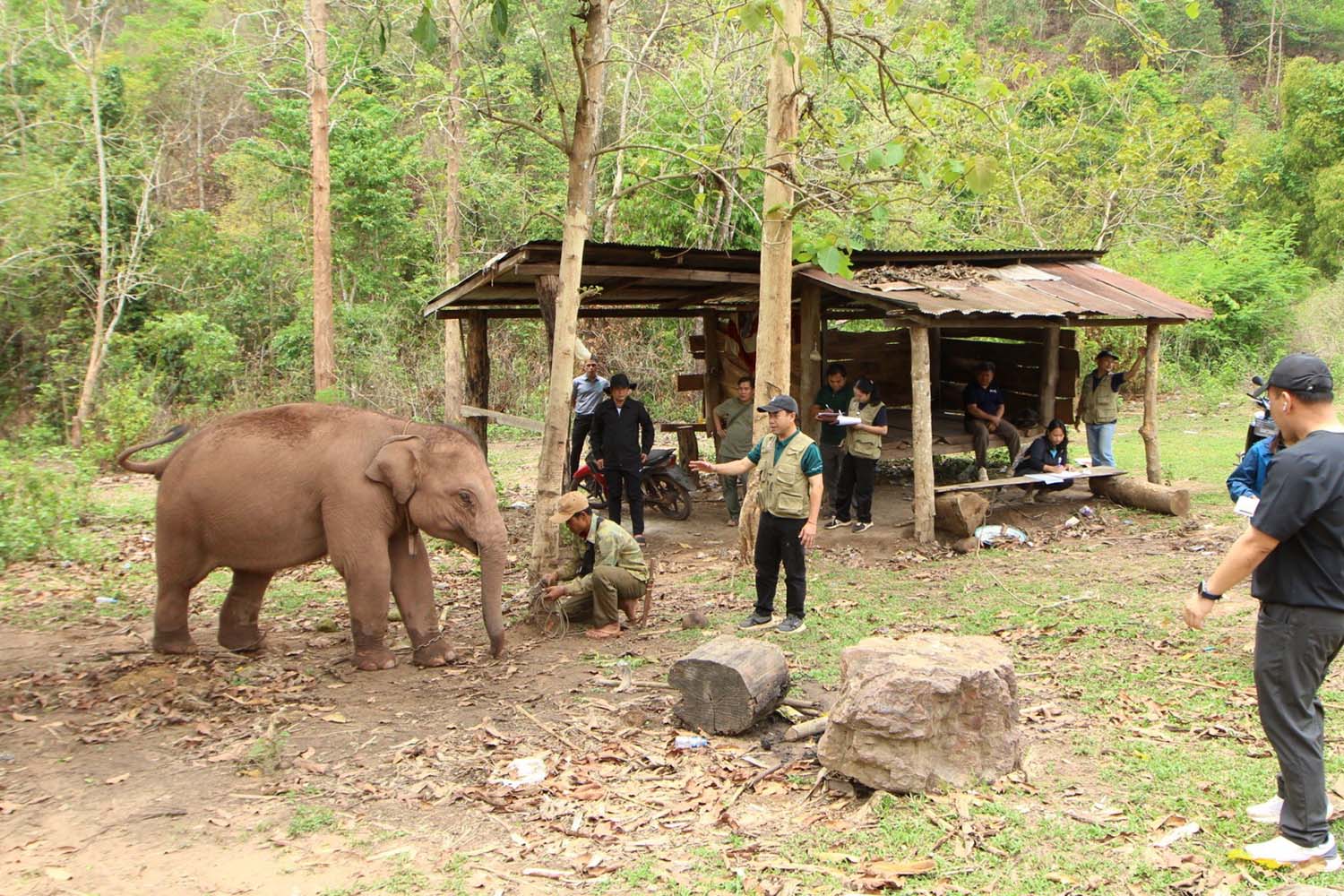
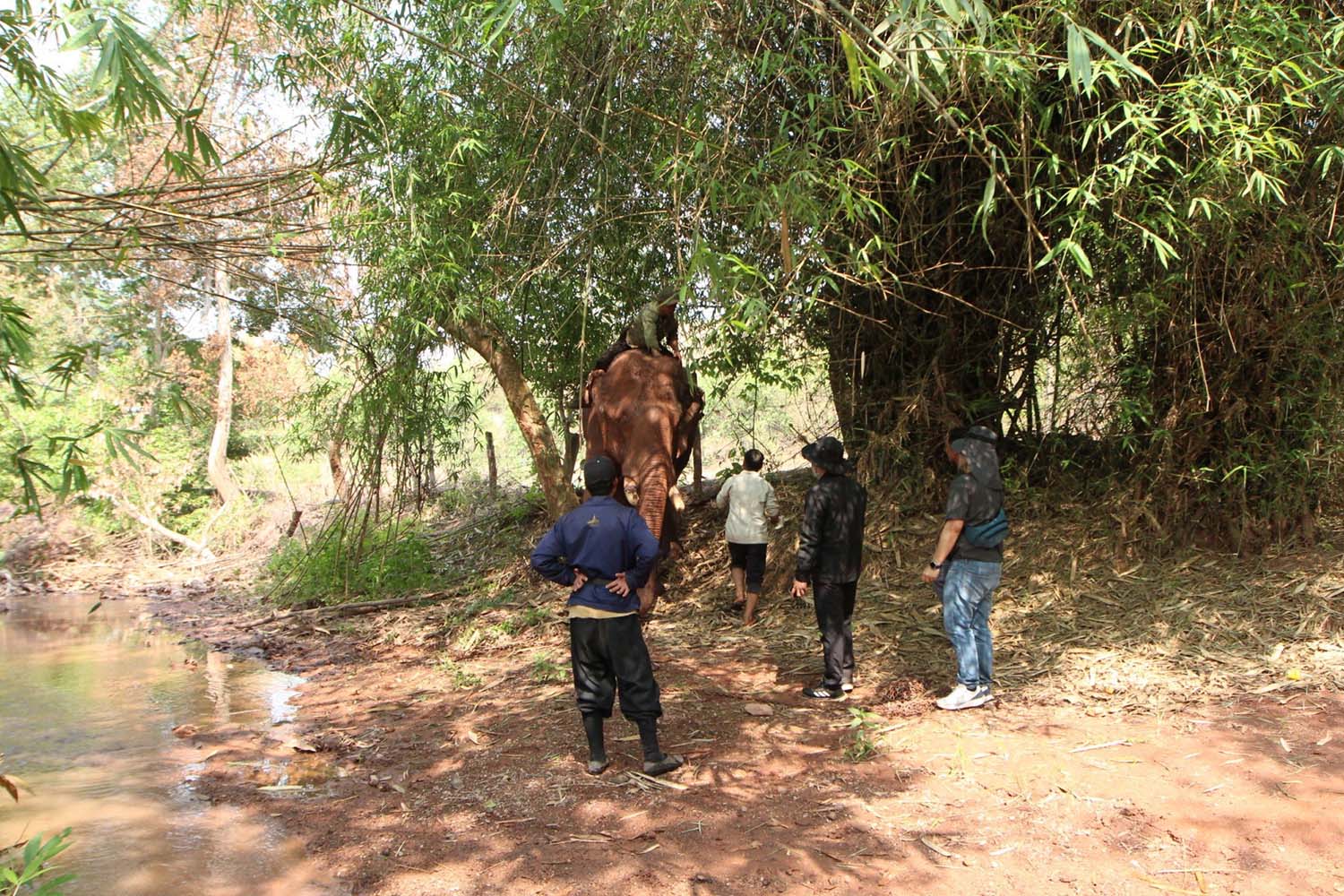
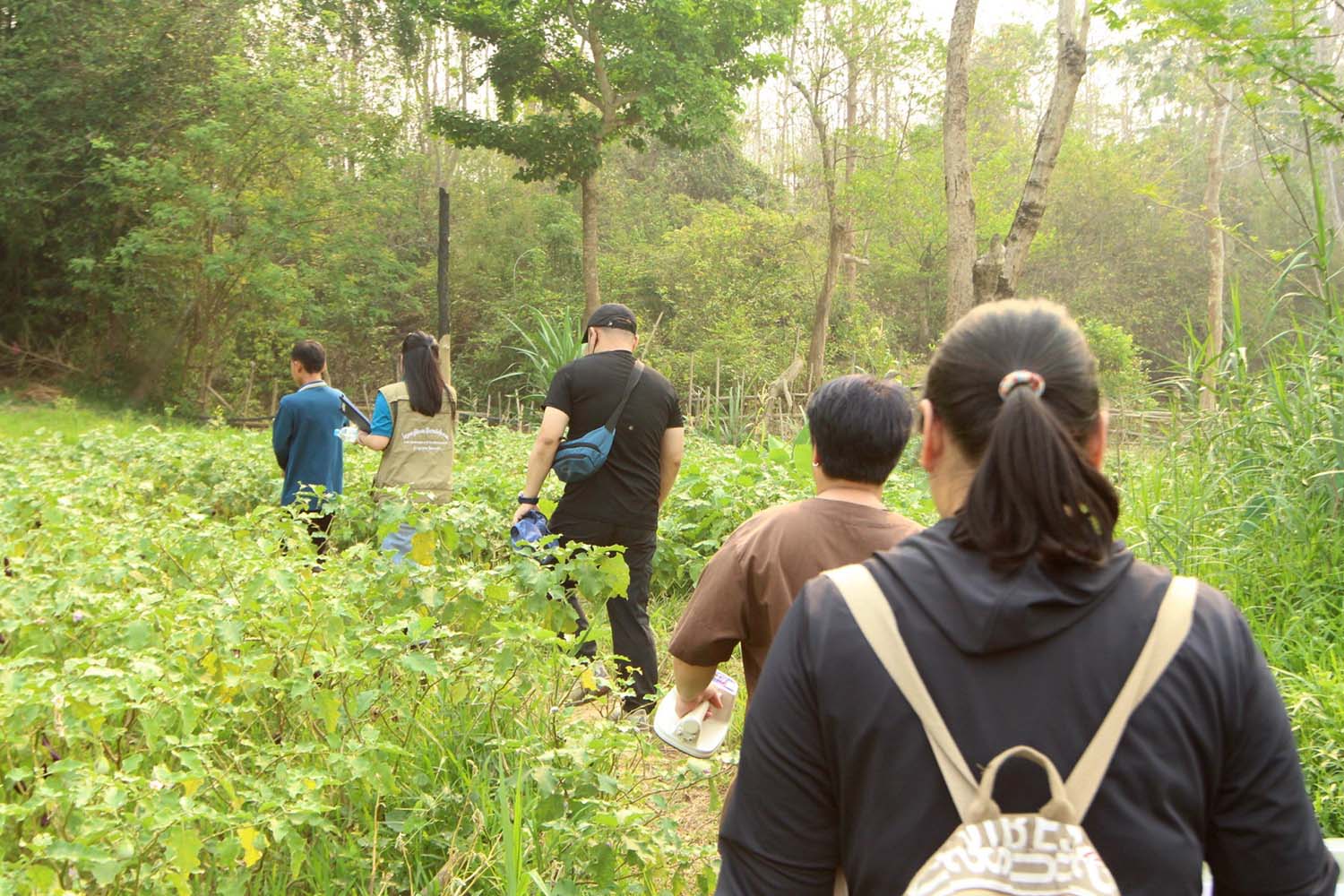
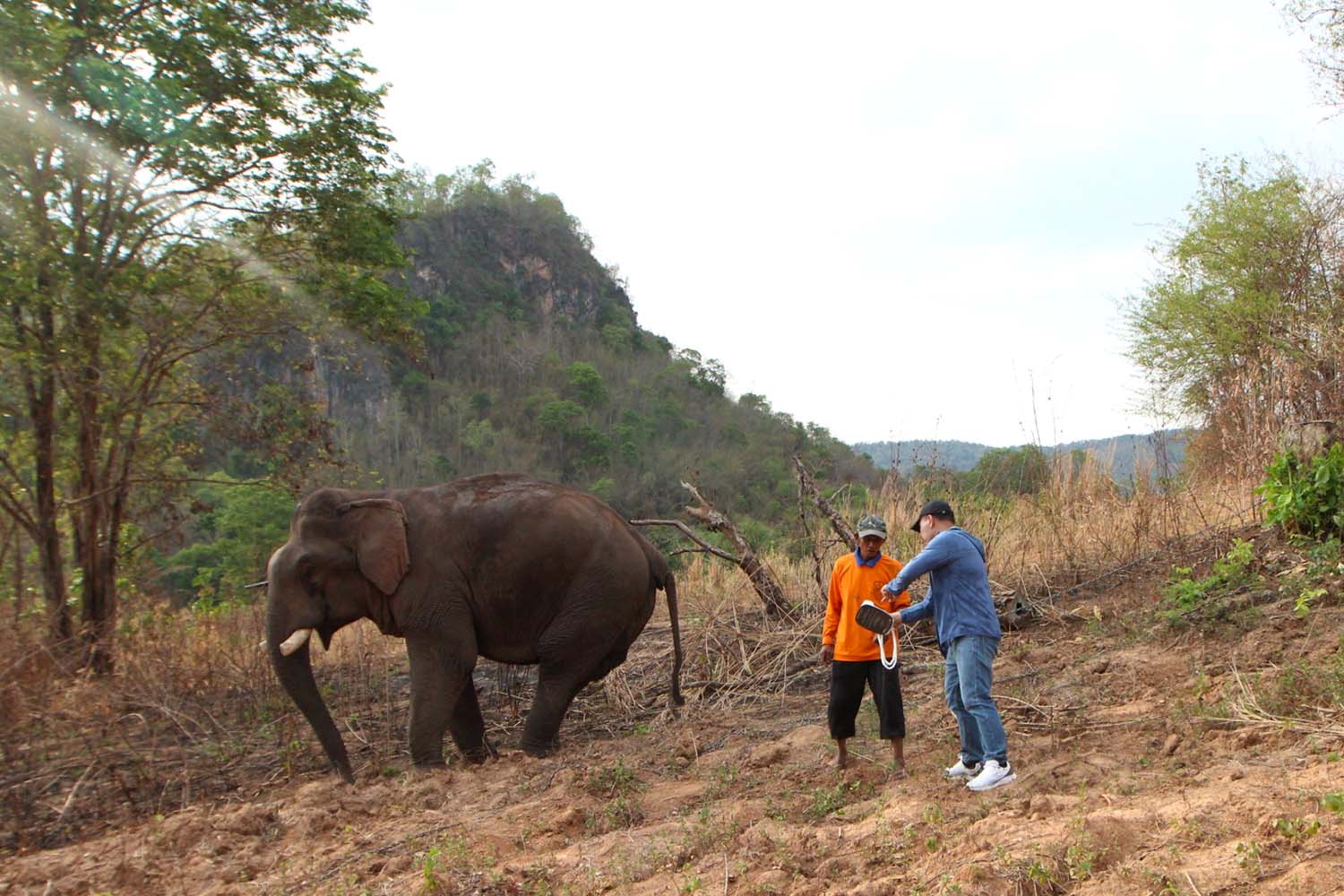
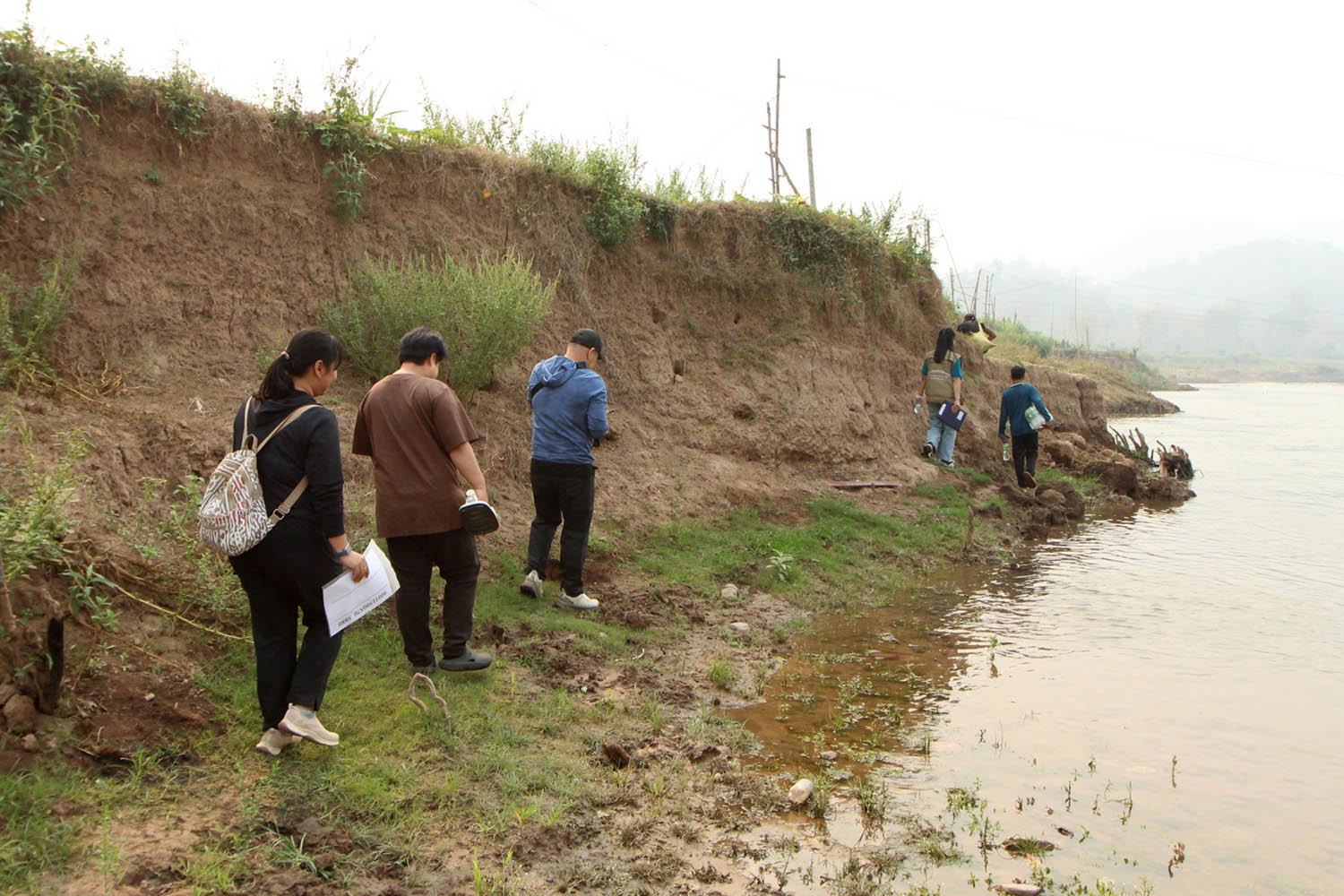
After nearly a year of dedicated work by the Save Elephant Foundation team—surveying the elephant population across Laos, documenting the unique identity and characteristics of every elephant, and compiling all information into a comprehensive digital database—the project to create Elephant Identification Cards for the Lao elephant population has now been successfully completed.
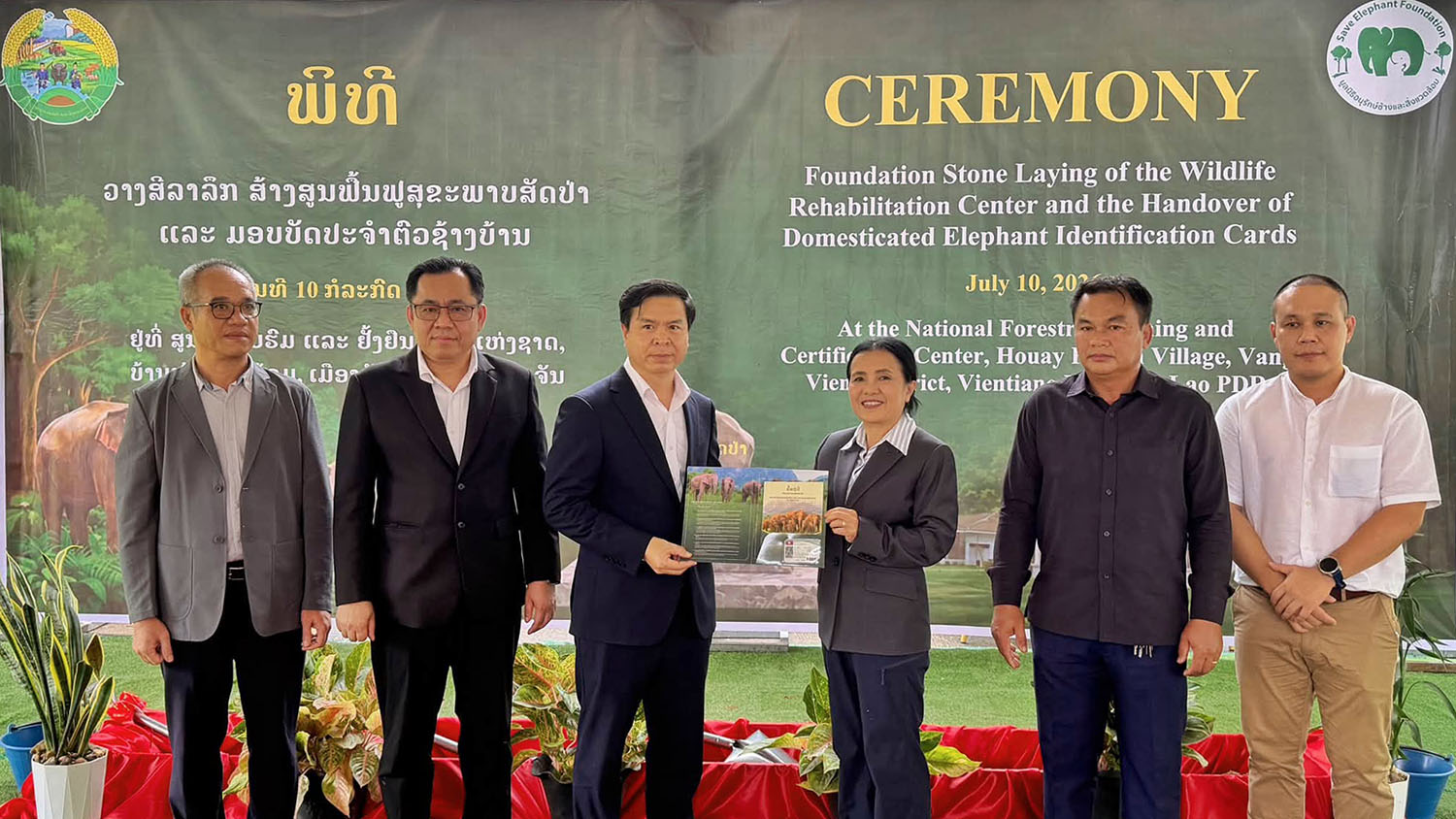
On 10 July 2026, Saengduean Chailert, founder of Save Elephant Foundation, had the honor of presenting the Elephant Identification Cards to the Government of the Lao PDR. The cards were formally accepted by Mr. Kikeo Singmavong, Deputy Minister of Agriculture and Environment.
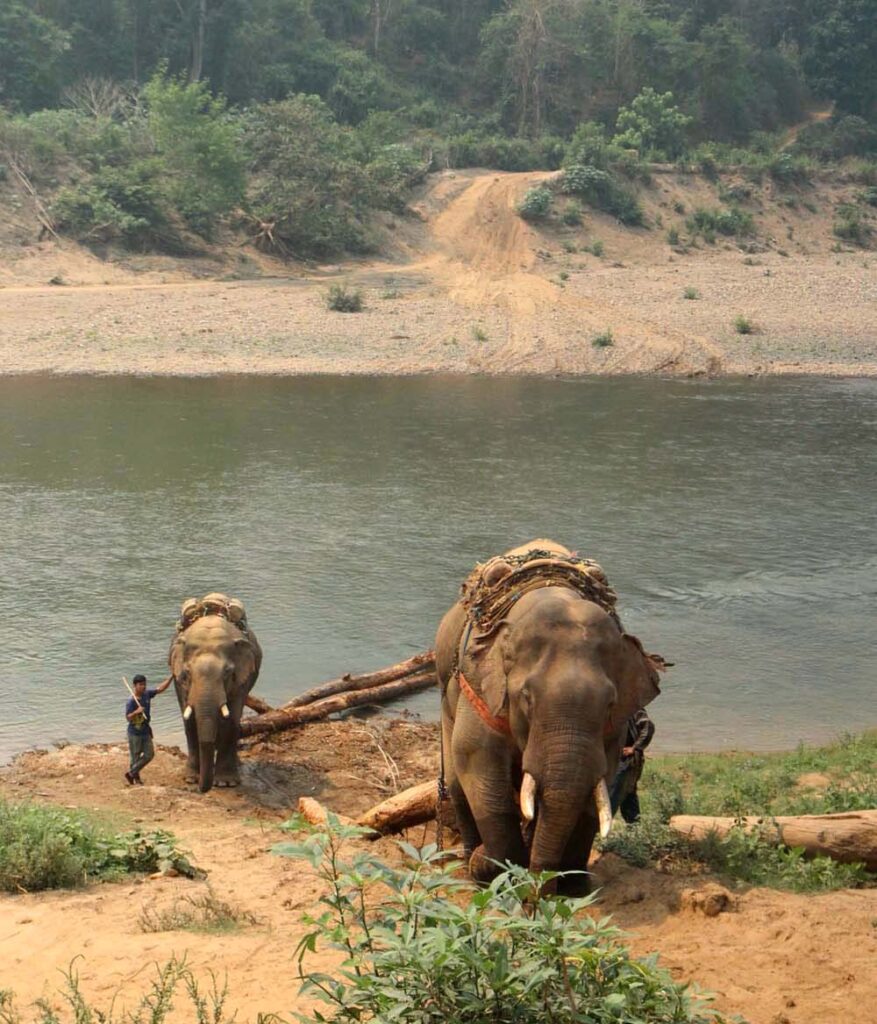
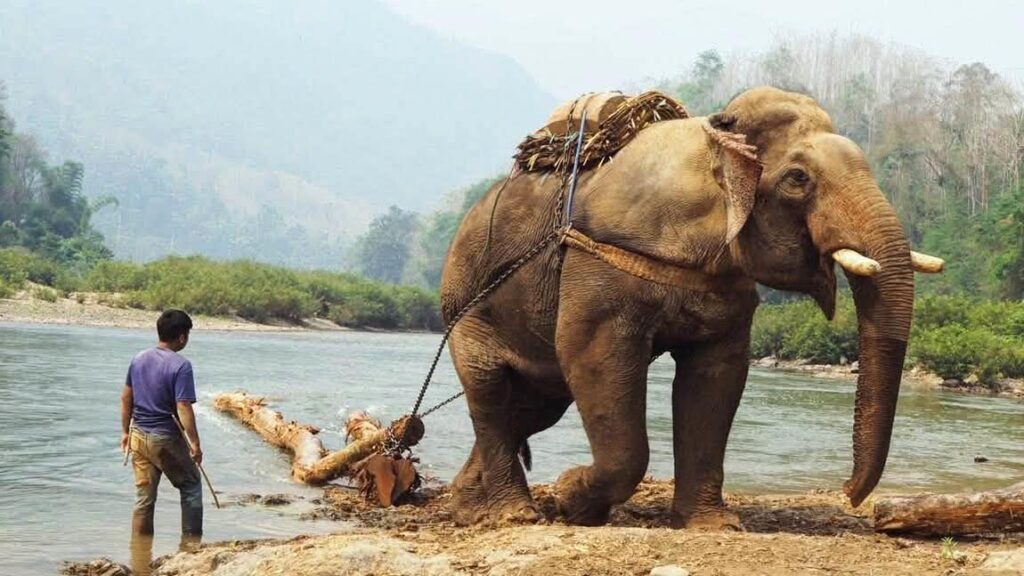
In the past, Laos—once known as the Kingdom of Lan Xang, or the Land of a Million Elephants—was home to vast numbers of elephants. Today, however, the population has declined dramatically, with only about 200 domesticated elephants and just over 200 wild elephants remaining.
Until now, Laos had no standardized national elephant database, making it impossible to determine the country’s true elephant population or effectively monitor ownership and movements. This has contributed to ongoing challenges, including the illegal trade and cross-border trafficking of elephants.
This elephant registration and identification initiative marks a historic milestone in elephant conservation. Laos has become the first country in Asia to establish a Digital Elephant ID Smart Card system, providing a comprehensive and verifiable digital identity for every registered elephant.
Each elephant’s digital record includes:
Individual identification details, including name, sex, age, skin pigmentation, distinctive physical features, scars, and the characteristics of the elephants' tusks, toenails, and tail.
Information about the registered owner or custodian, including address details.
Registration records, including the date and place of issuance.
Ongoing updates such as ownership transfers, microchip implantation, identification markings, and changes in the elephant’s physical characteristics.
The Smart Card system and digital database allow government agencies to access accurate, real-time information quickly and efficiently. This will strengthen elephant population management, help prevent illegal trafficking and cross-border movement, and provide an essential foundation for improving elephant welfare in accordance with international standards.
Save Elephant Foundation is deeply honored to have played a leading role in this historic achievement. This project will not only benefit elephants in Laos, but also serve as an important model for elephant conservation throughout Asia.
“I would like to express my deepest gratitude to every member of the Save Elephant Foundation team and to our colleagues within the Lao government, who worked tirelessly for nearly a year to make this project possible. Our teams traveled across the country—often trekking for hours through forests and remote mountains—to reach elephants living and working in isolated areas. Their dedication, perseverance, and cooperation made this remarkable achievement possible.” — Saengduean Chailert
It is our sincere hope that this elephant registration and identification system marks the beginning of a new era in Asian elephant conservation. We also hope it inspires other countries to undertake comprehensive elephant population surveys and establish their own national elephant databases. Only by understanding the true status of elephant populations can we develop effective conservation strategies and work together to secure the future of Asian elephants.
Save Elephant Foundation stands ready to share our knowledge, experience, and technology with any country wishing to strengthen elephant conservation and welfare.
The future of Asian elephants is not the responsibility of one nation alone. It is a shared responsibility—one that belongs to all of us who wish to see these magnificent animals continue to thrive for generations to come.
scott