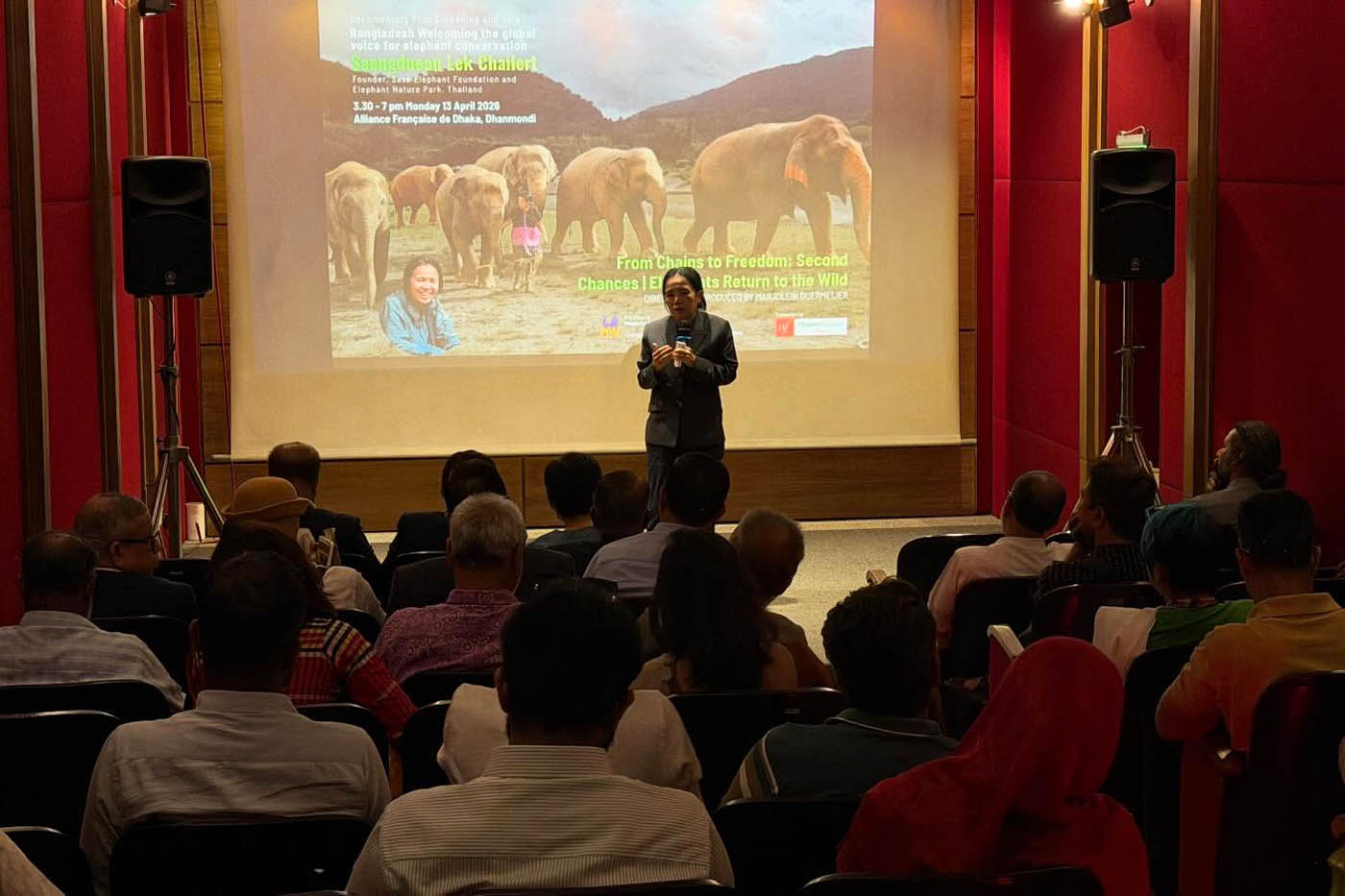
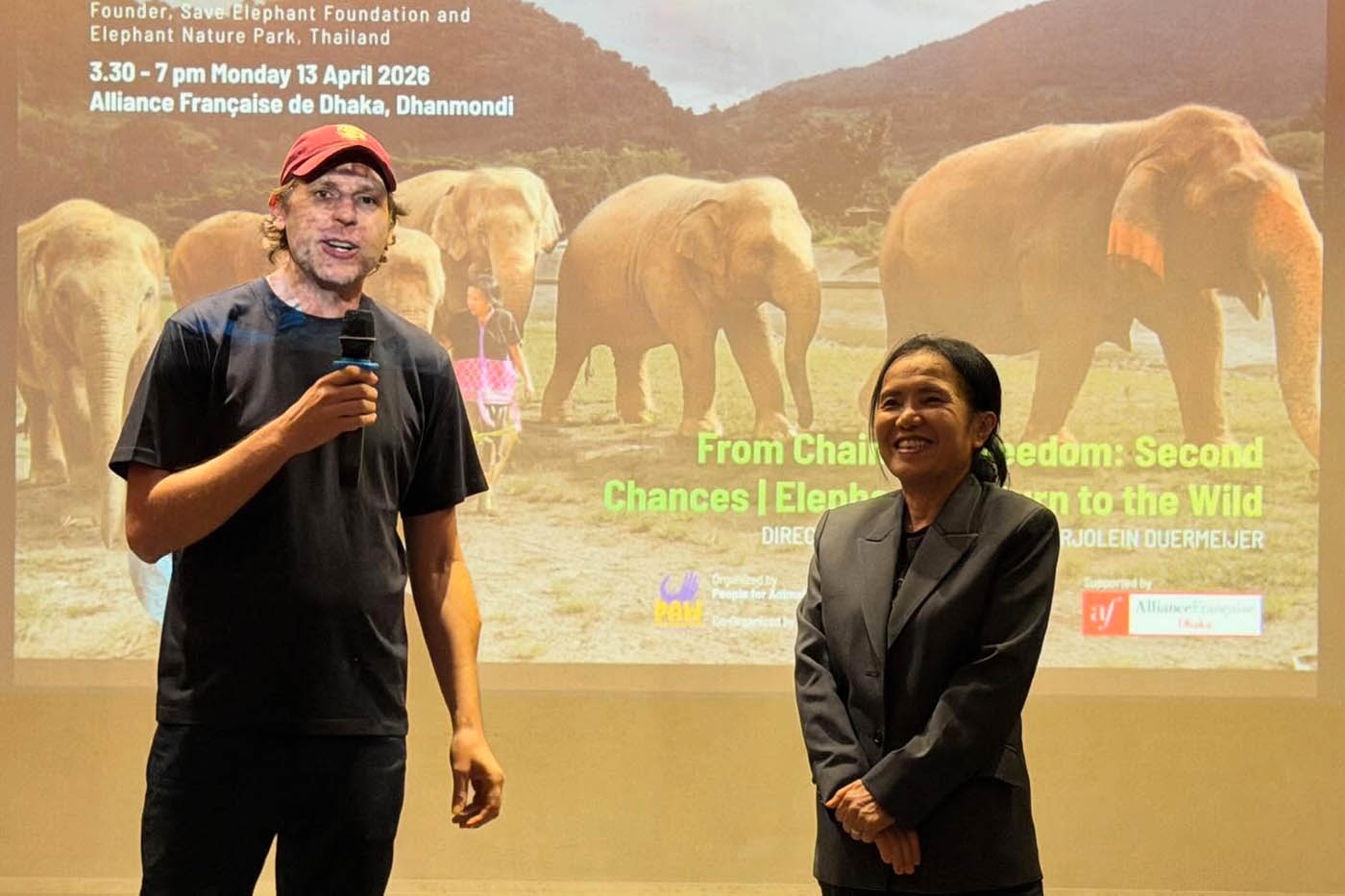
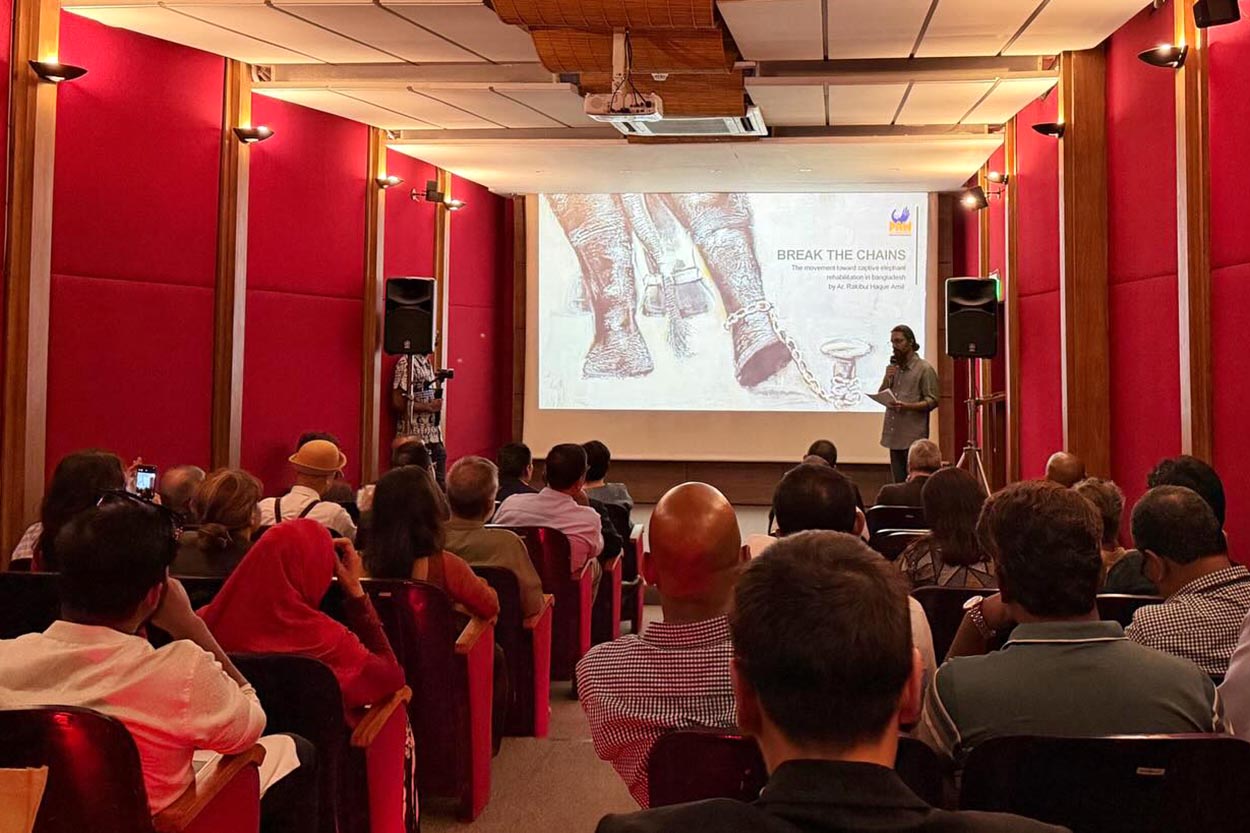
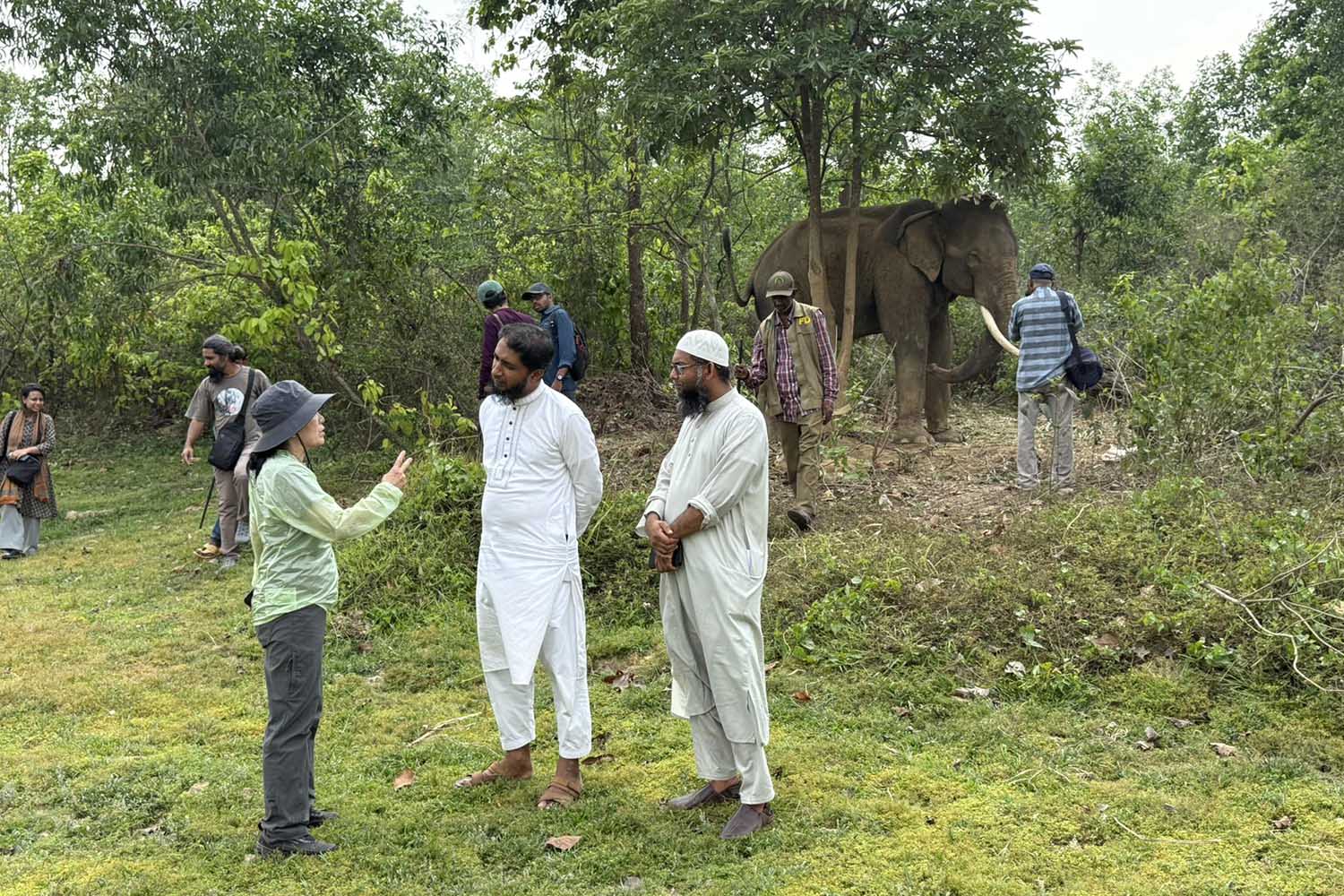
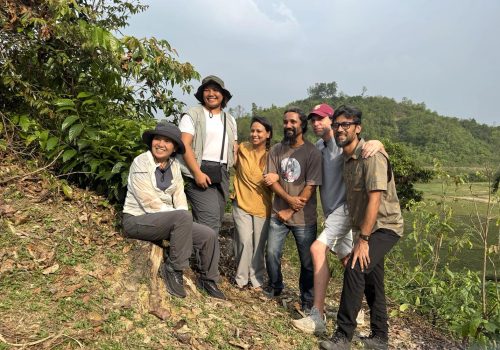
On April 13, 2026, two New Years were welcomed across Asia—Songkran in Thailand and the Bengali New Year in Bangladesh. A time traditionally marked by renewal and hope became a shared moment of purpose for those working to protect elephants.
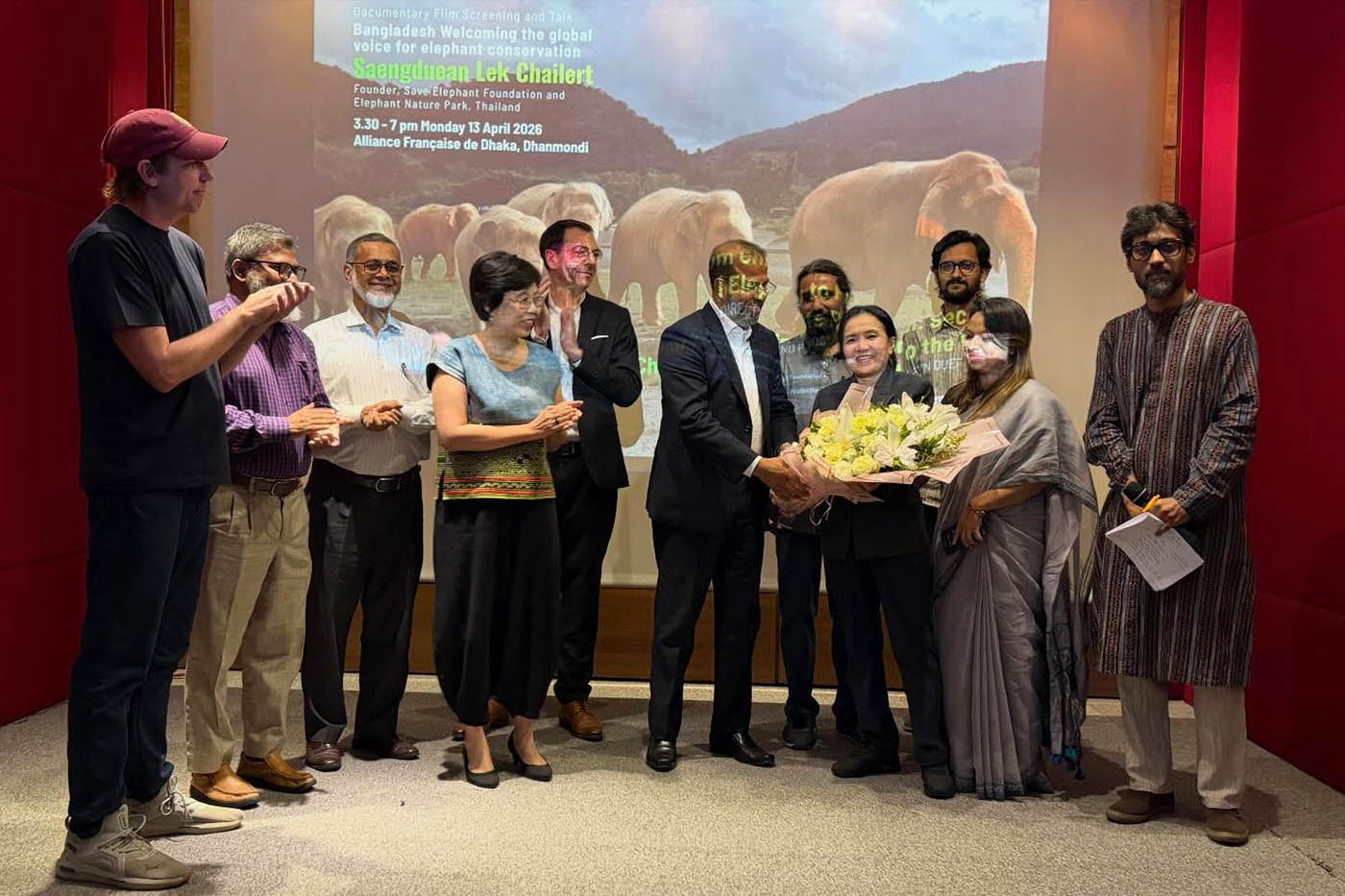
In Dhaka, at Alliance Française de Dhaka, activists, diplomats, government leaders, and animal advocates gathered for an event focused on the future of elephants in Asia and Bangladesh.
Organized by the PAW Foundation in partnership with the Bangladesh Tree Protection Movement, the program brought together a powerful mix of voices and perspectives.
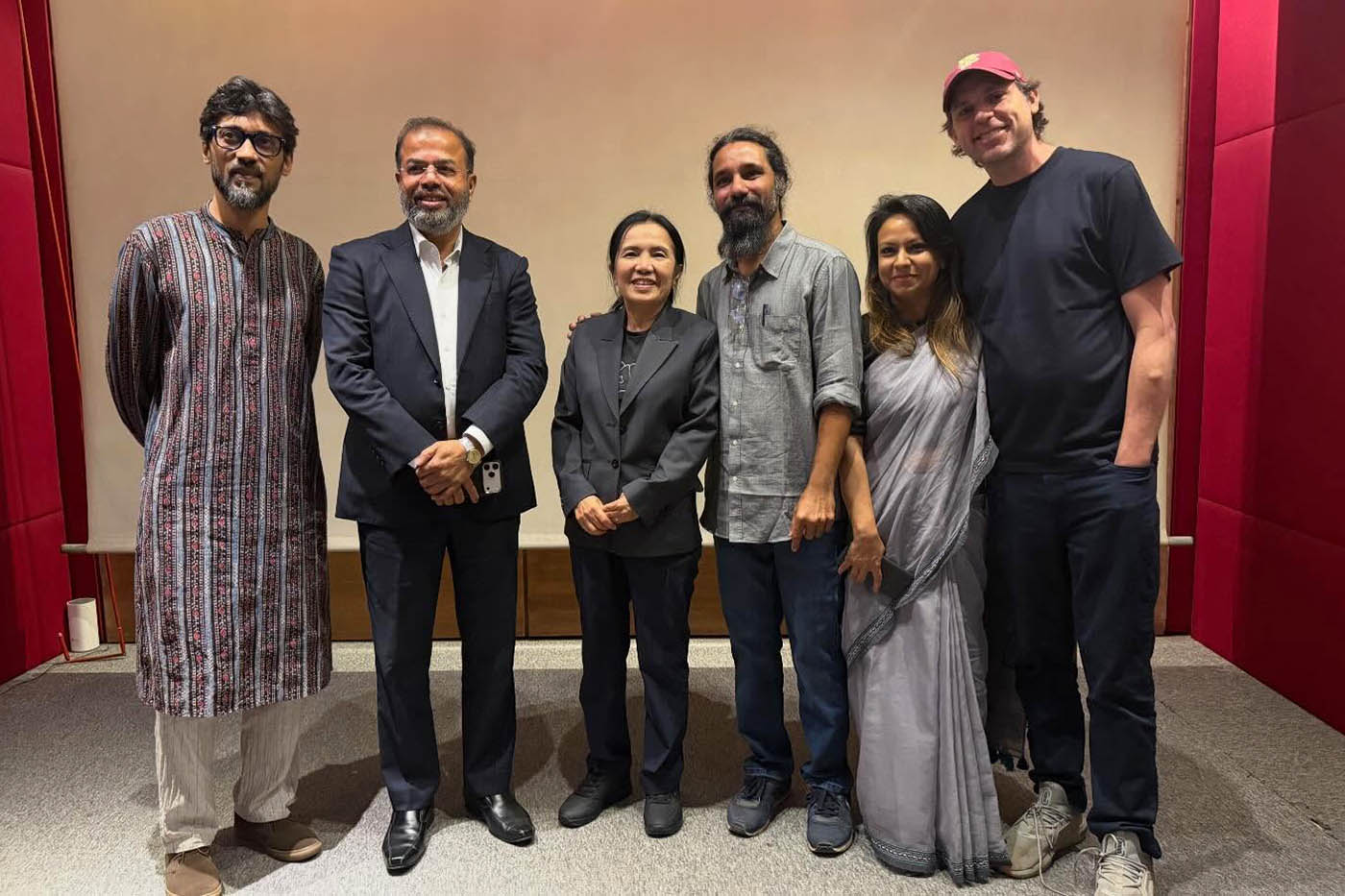
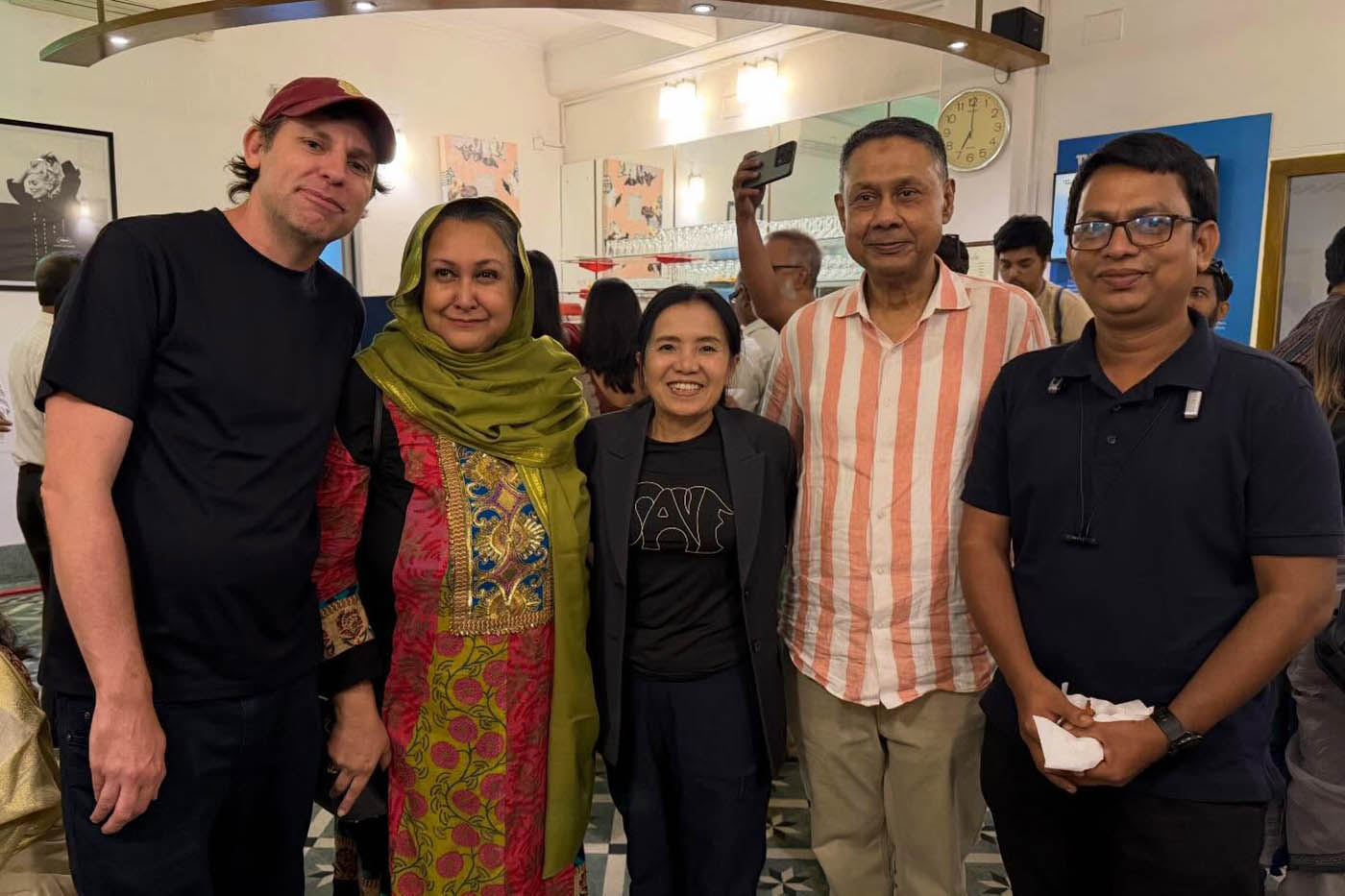
The event was honored by the presence of distinguished guests, including: • Mr. Shaikh Faridul Islam, Minister of State for Environment, Forest and Climate Change of Bangladesh • Thitiporn Chirasawasdi, Ambassador of Thailand • Haji Haris Bin Othman, Ambassador of Brunei • Saengduean Chailert, Save Elephant Foundation • Aaron Jackson, Planting Peace
A documentary screening revealed the realities faced by elephants—lives shaped by exploitation in industries such as street begging, logging, and tourism—sparking meaningful discussion and reflection.
“Thank you to all dedicated activists—Rakibul Haque Amil, Tarana Hossain, Amirul Rajiv, Naim Ul Hasan, and your teams—you are the hope for the future. Special thanks to Mr Francois Chambraud and the entire team for hosting this important event.” —Saengduean Chailert
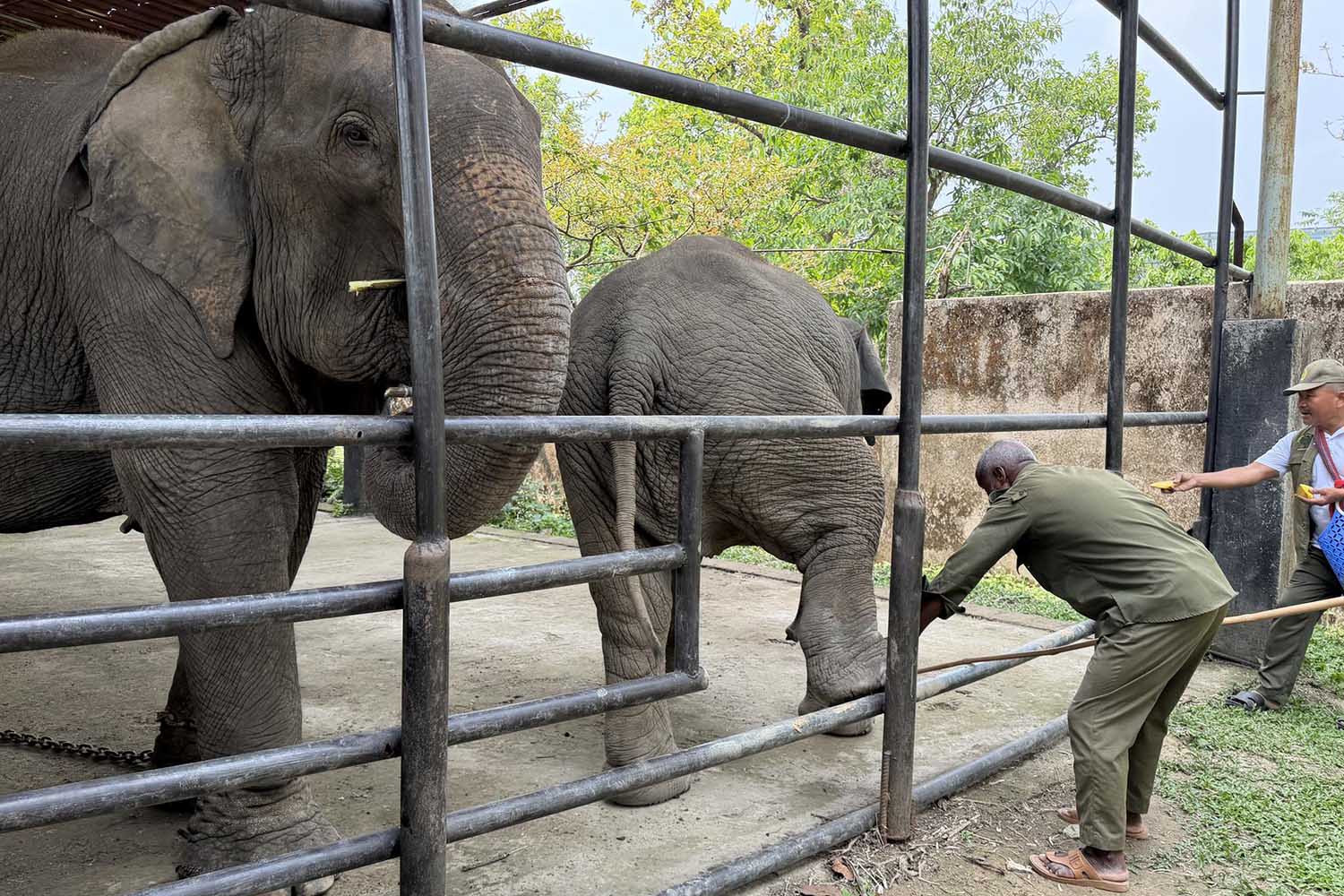
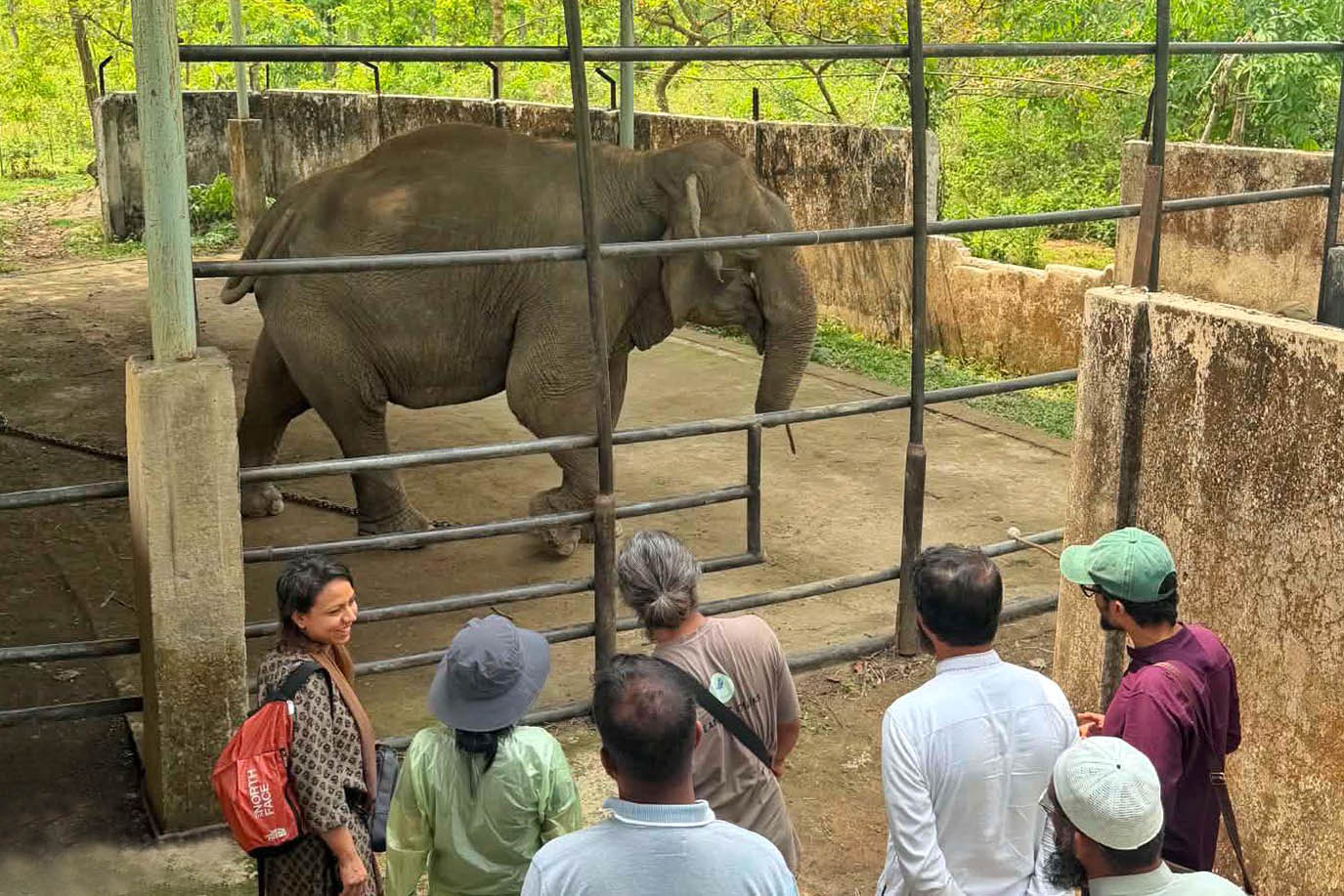
For Saengduean “Lek” Chailert, the visit carried deep personal significance. She has followed the lives of elephants in Bangladesh for many years, witnessing the suffering that has long defined their existence. Images of calves separated from their mothers during training left a lasting impression and became a call to action.
That call grew stronger when the story of an elephant named Nihakoli captured international attention. Through this, Lek connected with a group of passionate animal advocates, including Rakibul Amil and Tarana Hossain. What began as concern evolved into collaboration, building cooperation between Bangladesh and our organization in Thailand.
Today, that collaboration is beginning to bear fruit.
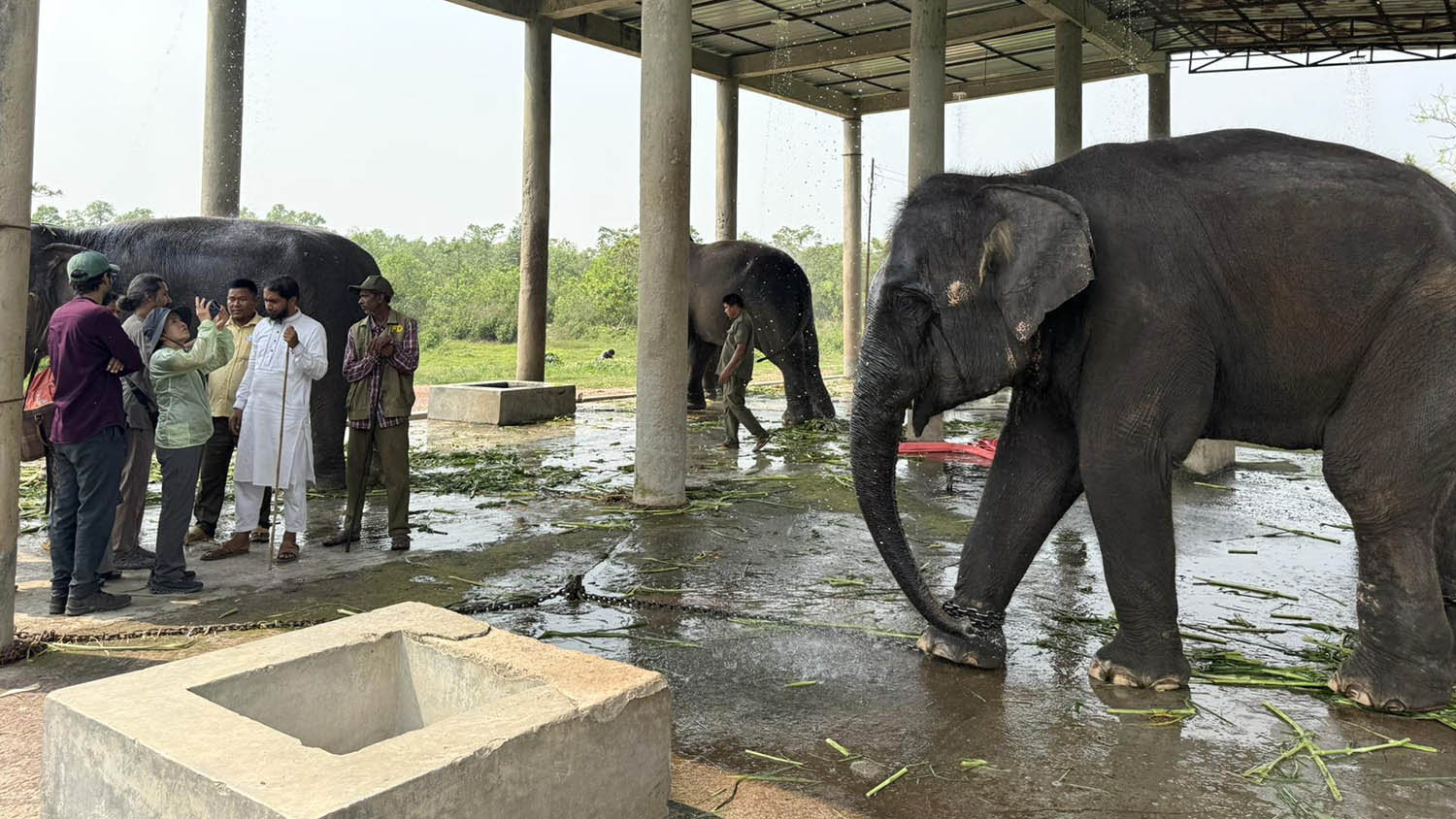
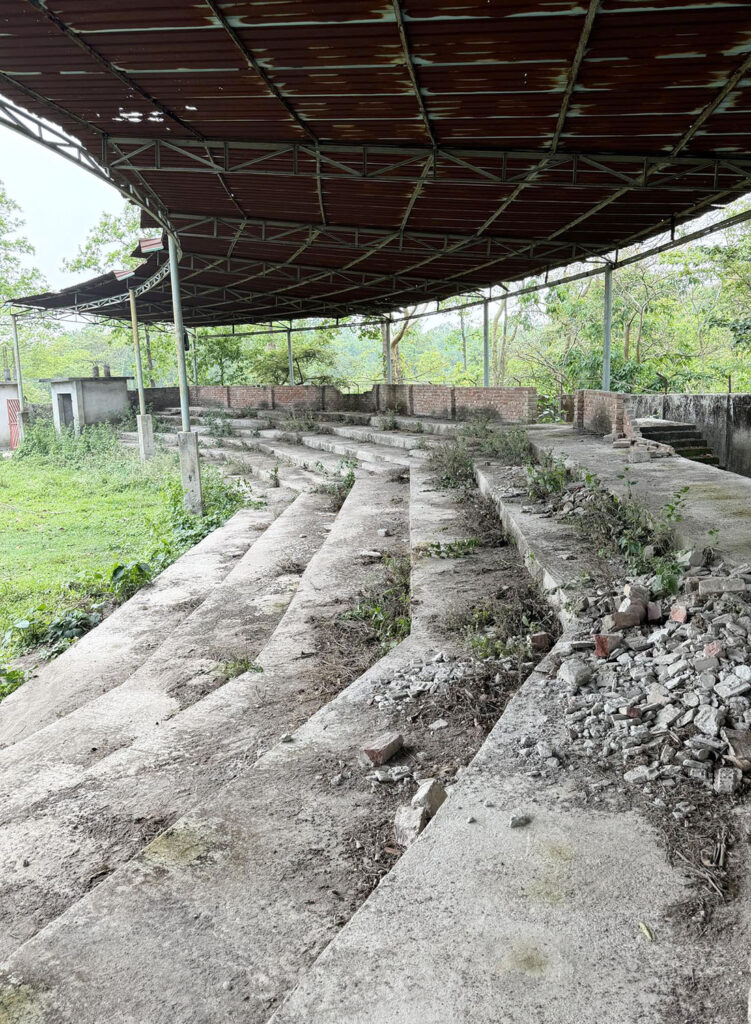
Bangladesh has taken significant steps toward improving elephant welfare. The recent passage of Bangladesh’s new wildlife conservation law has introduced new regulations prohibiting practices considered cruel or exploitative, including elephant riding, street begging, logging, and circus performances. Welfare standards are also improving through the development of chain-free shelters. Elephant shows, once crowded with tourists, are now closing, many left silent and overgrown.
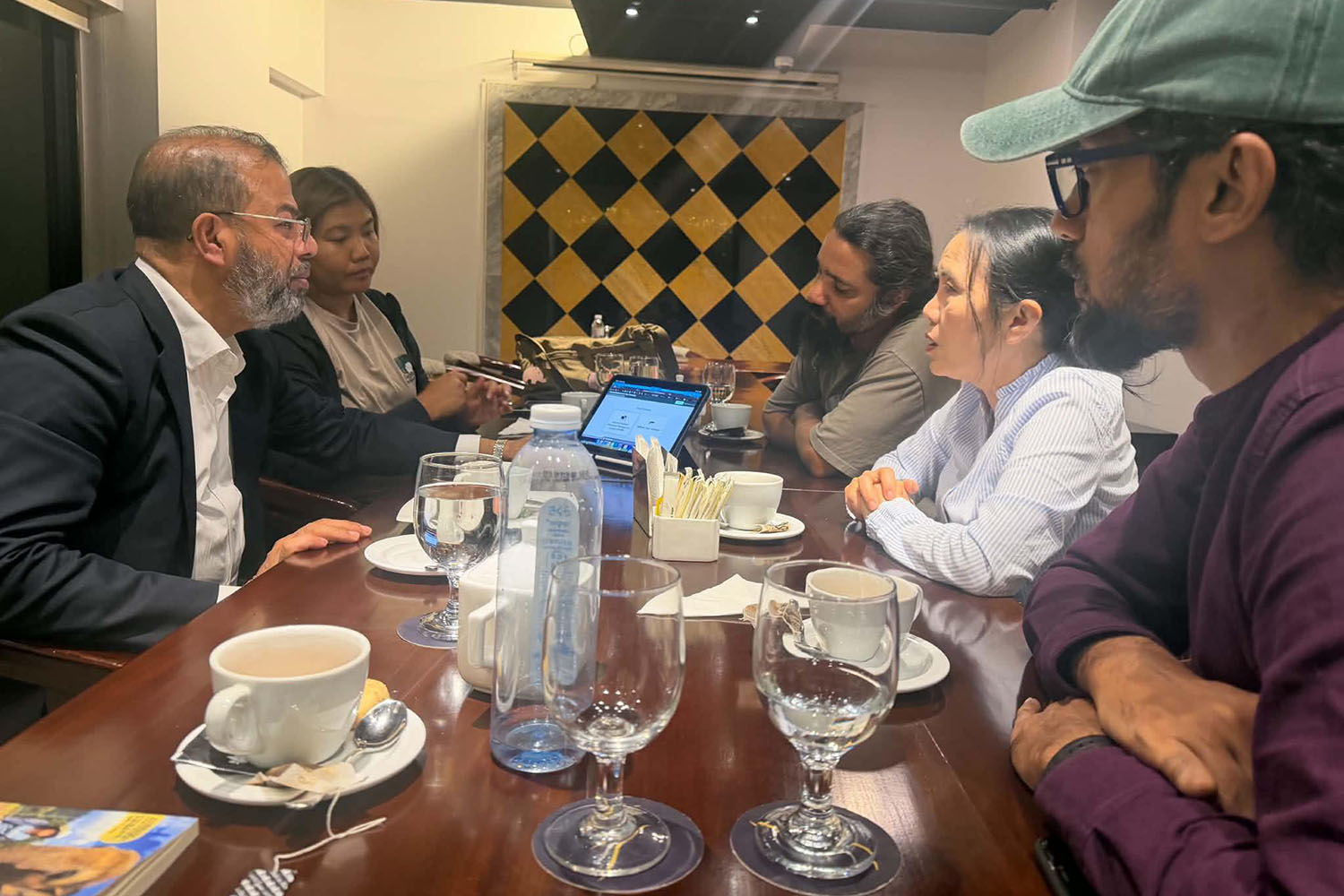
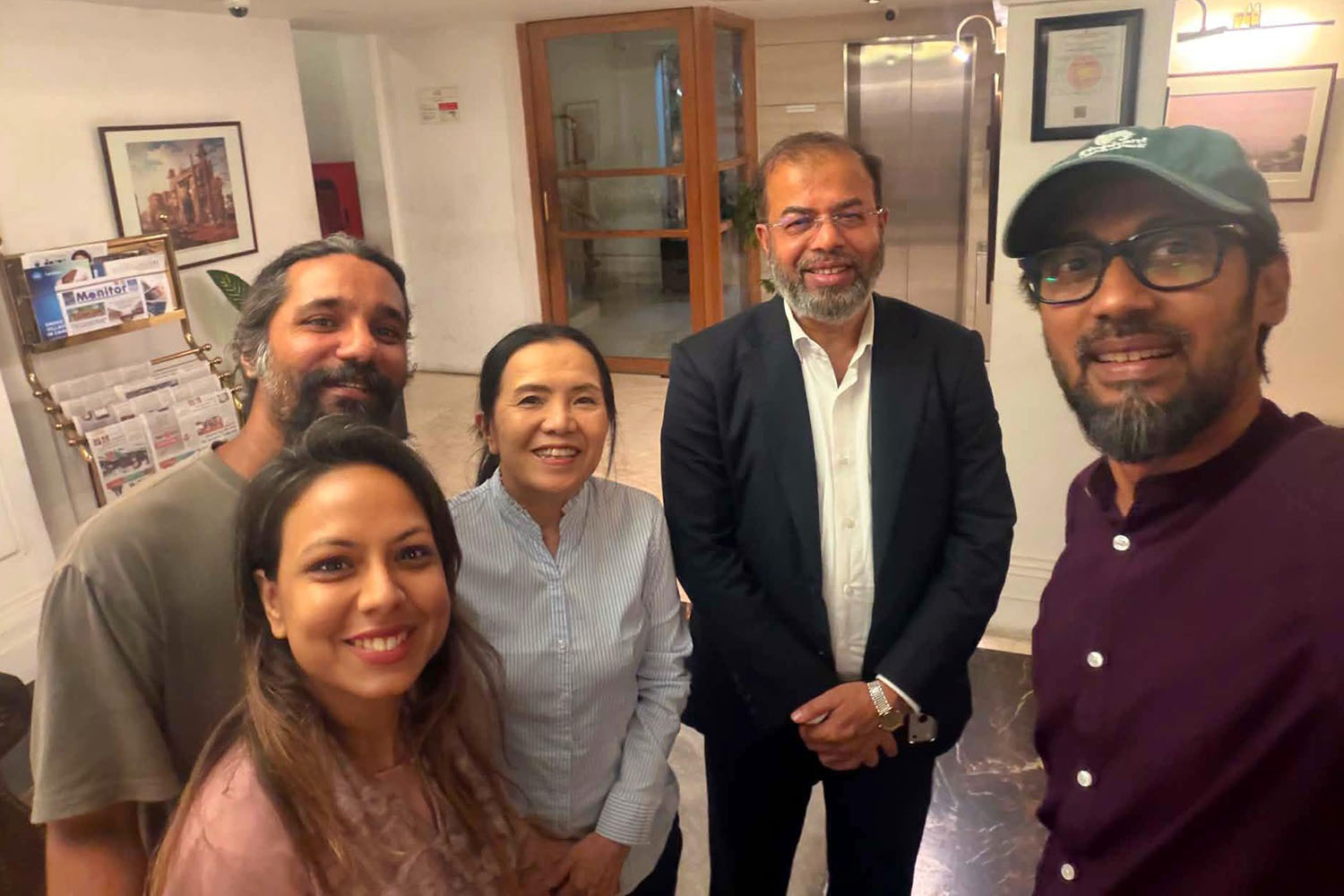
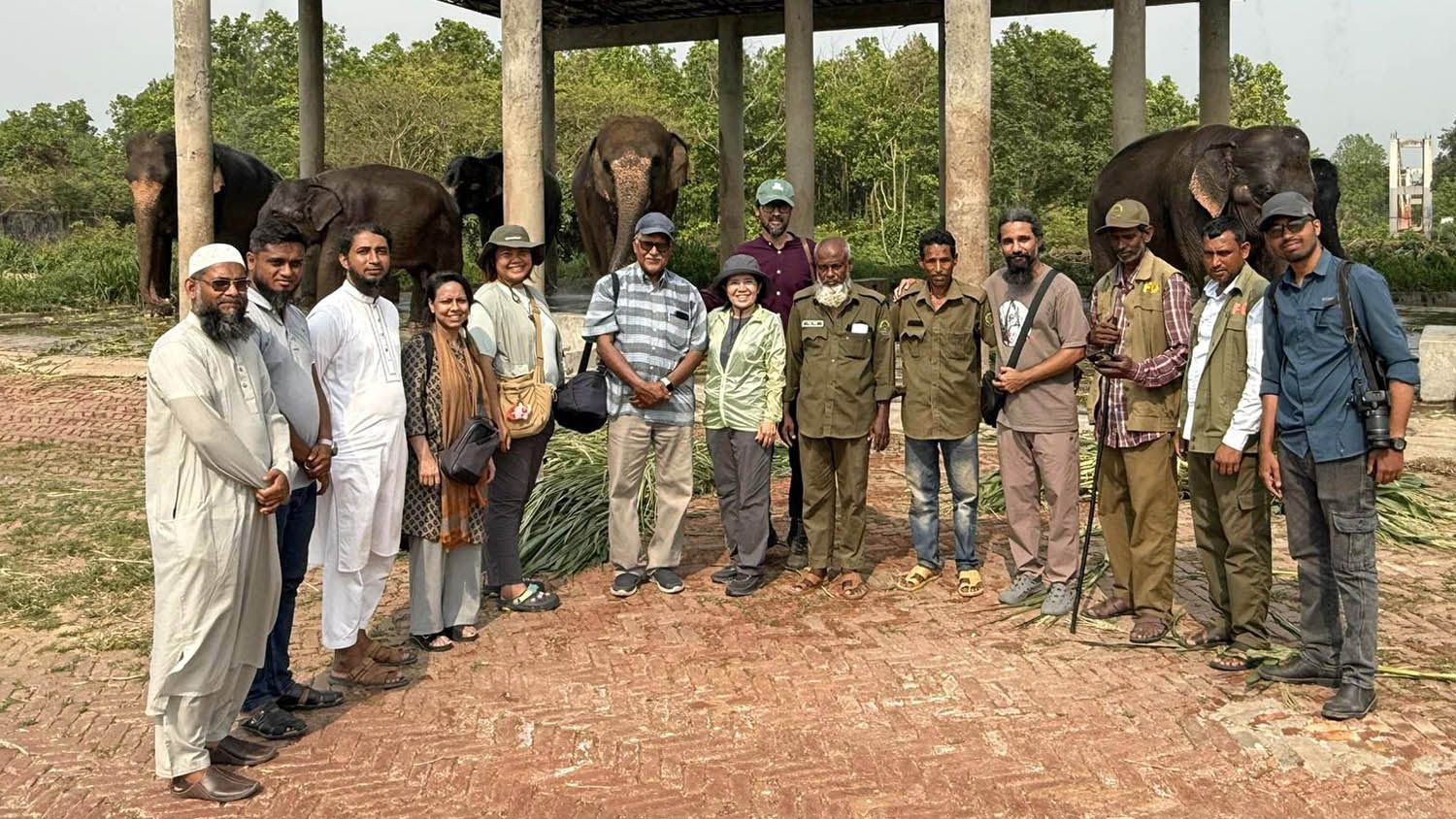
During her recent visit, Lek met with a wide network of individuals committed to continuing this progress—activists, conservationists, policymakers, and community leaders working together toward a common goal.
“I would like to sincerely thank the Bangladeshi government—especially the Forest Department responsible for wildlife—for your vision and commitment to improving the lives of elephants and other wildlife in the country. Special thanks to Rakibul Amil, Amirul Rajiv, Tarana Hossain, and all the dedicated animal welfare advocates who continue working tirelessly to create meaningful change for elephants in Bangladesh. Protecting animal rights is not simply about creating a positive image. It is about creating a true transformation in conservation, compassion, and coexistence for the future. Save Elephant Foundation and our team are proud to support this important journey for change. With collaboration and compassion, real transformation is possible.” — Saengduean Chailert
The journey is far from over, but the direction is clear. What is unfolding in Bangladesh is a reminder that change is possible—not through a single voice, but through many coming together with a shared intention.
scott